
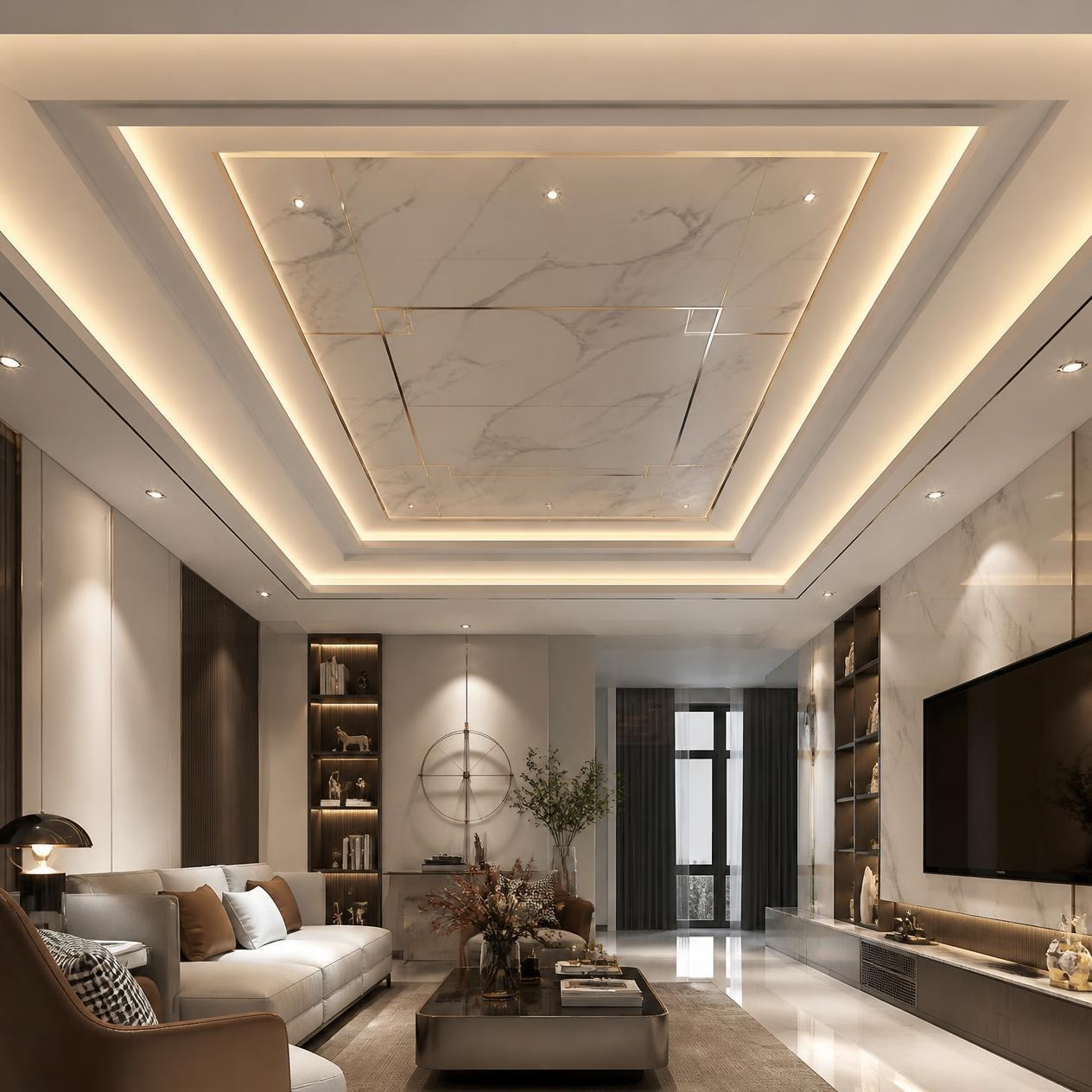
False Ceiling Interior Designs
Book Free ConsultationDesign the perfect false ceiling for your home with easy comparisons of materials, ceiling styles, and lighting ideas. Explore modern ceiling designs to choose the best option for every room.
Choose the Core Material for False Ceiling
Swipe to see more columns
| Material | Best For | Durability | Moisture Resistance | Maintenance |
|---|---|---|---|---|
| Gypsum | Living rooms, bedrooms, dry areas | High | Medium | Low |
| POP (Plaster of Paris) | Custom designs, intricate moldings, traditional homes | Medium | Low | Medium |
| PVC / WPC Panels | Kitchens, bathrooms, balconies, damp areas | High | Excellent | Very low |
| Wood / Timber / Veneer | Premium living/dining areas | Medium | Low | Medium-high |
| Metal / Aluminum | Modern homes, commercial spaces | Very high | Excellent | Low |
| Glass / Acrylic | Luxury interiors | Medium | Good | Medium |
Best Ceiling Shapes for Different Rooms
Always drop a wooden block or extra support where the ceiling fan will hang. In most Indian homes, the fan sits under the false ceiling, so the gypsum must be reinforced.
Swipe to see more columns
| Design | Minimum Ceiling Height | Best Indian Room |
|---|---|---|
| Flat Single-Level | 8 ft | Low-height flats (8–9 ft) |
| Perimeter Cove (Trough) | 8.5 ft | Bedrooms, pooja rooms |
| Tray Ceiling (Central Drop) | 9 ft | Master bedrooms, dining |
| Multi-Level Layered | 10 ft+ | Banquet halls, penthouses |
| Coffered Grid | 10 ft+ | Large halls, luxury flats |
Integrate Lighting with Your False Ceiling
A false ceiling's real power is how it hides wiring and creates layered light. Match your ceiling design to the light effects you want.
Swipe to see more columns
| Lighting Type | Power Cut Friendliness | Ease of Replacement |
|---|---|---|
| Recessed Downlight (Spot) | Works on inverter if circuit wired properly | Medium — remove bulb from below |
| Cove Lighting (LED Strip) | Can be run on 12V via inverter/battery | Change only every 5–6 years |
| Backlit Stretch Panel | Needs stable power; inverter backup needed | Specialist |
| Star Ceiling Fibre Optic | High power draw | Very difficult |
| Pendant Through Cut-out | Works on inverter | Easy — just change bulb |
Acoustic & Thermal Checks
If noise reduction or insulation matters, choose a material that suits your requirements.
Swipe to see more columns
| Material | Sound Absorption | Thermal Insulation | Best Application |
|---|---|---|---|
| Gypsum (Regular) | Moderate | Low | Bedrooms, living spaces |
| Acoustic Gypsum / Perforated | High | Low | Home theatres, noisy streets |
| POP | Moderate | Moderate | Yes – thicker mass helps |
| Wood Panels | High (with air gap) | Good | Music rooms, warm-climate homes |
| PVC Panels | Low | Low | Wet areas only |
| Metal | Low | Low (reflects heat) | Kitchens, balconies |
| Stretch Ceiling | Moderate (with acoustic backing) | Moderate (air gap helps) | Leak-prone areas |
False Ceiling Design Journey: Concept to Completion
- Measure your existing ceiling height. If >9 ft, you have design freedom; if <8.5 ft, stick to a simple flat or perimeter cove.
- Pick a material using the moisture needs of the room: gypsum for dry, PVC for wet, wood for luxury.
- Choose a shape that fixes any room proportion issues (a tray ceiling makes a wide room feel cosier; a perimeter cove makes a low room feel taller).
- Layer your lights: recessed spots for general lighting, cove LED for mood, and a pendant through the false ceiling for drama.
- Set a budget and finalize the material.

